 966501234567+
 info@fireman-sa.com


Fire Safety and Protection Standards in Buildings
Fire safety is one of the most important factors to consider when designing and equipping any building, whether commercial, industrial, or residential. Fires can cause significant human and financial losses if effective protection systems are not in place to detect hazards and respond quickly. Therefore, fire safety and protection standards have become an essential part of building and operational requirements within the Kingdom of Saudi Arabia.
First: Design of Early Warning Systems
One of the most important safety standards is having a fire alarm system capable of detecting smoke or heat at the earliest stages of danger. These systems rely on precise sensors that send instant alerts when any abnormal signs are detected, giving occupants enough time to evacuate and take appropriate actions before the situation escalates.
Second: Providing Certified Firefighting Equipment
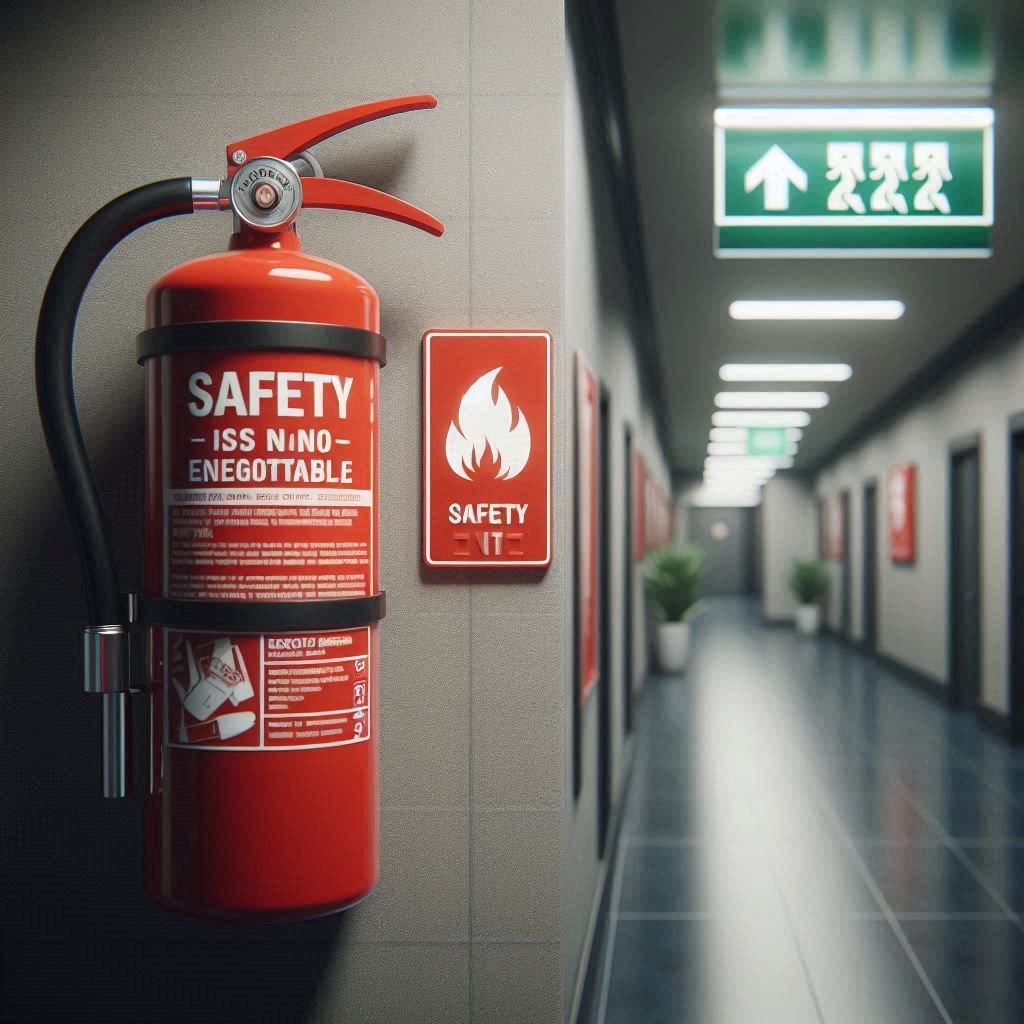
A protection system is not complete without certified firefighting equipment. This includes fire extinguishers, fire hose cabinets, automatic sprinkler systems, and fire pumps. Selecting the appropriate equipment and distributing it correctly throughout the building helps ensure rapid fire control and reduces the extent of damage.
Third: Emergency Exits and Evacuation Plans
Emergency exits are one of the most critical safety elements in any facility. They must be clearly marked, easily accessible, and free of obstacles at all times. In addition, having a clear evacuation plan and training staff on it greatly contributes to protecting lives during emergencies.
Fourth: Regular Maintenance of Safety Systems
Even the best protection systems require regular inspection and maintenance to ensure they are ready when needed. Maintenance includes testing alarm systems, ensuring the efficiency of firefighting equipment, and inspecting all components of the safety system to guarantee they operate effectively.
Fifth: Compliance with the Requirements of the Relevant Authorities
Regulatory authorities and civil defense impose a set of requirements and standards for fire protection systems in buildings. Compliance with these standards not only ensures the safety of the facility, but also helps avoid violations and achieve the highest levels of safety.
Conclusion
Applying fire safety and protection standards is not merely a regulatory requirement; it is a real investment in protecting lives and property. The more professionally these systems are implemented, the safer and more prepared the facility becomes to handle any emergency.